While lots of people enjoy drawing and painting, most people won’t ever consider themselves artists. That’s really sad, because the world would be a lot more beautiful if there were more people willing to pursue art full-time.
And by full-time I don’t mean quitting your day job. I mean creating art, lots of it, day after day. Building an identity around it.
If you want to take your art skills further, and really BE an artist, there are certainly dozens and dozens of tips I could give you. But in this article I’m going to give you my top ten. To watch the original video, click here.
1. Set aside time for art.
The key is to prioritize art time, and that doesn’t mean you have to give up a social life. If I have a socially-packed day ahead of me, I might draw early in the morning before breakfast.
One way to make sure you spend time doing art, is to treat art like something you need to get done. While you may not want it to seem like a chore, it is helpful to think of it as a kind of work. If art is something you do for fun when you feel like it, believe me, distractions will come flying at you like bats to a pond. But once you think of art as work, you’ll start making art whether you feel like it or not.
When you decide that you’re willing to spend time on art, your schedule will start to fight you. Events will pop up, interesting Facebook videos will get thrown in your path, and people will want to hang out at the most inopportune times.
Carve out small parts of your schedule. Putting your phone on silent for an hour is not just good for your art, it’s good for you emotionally, physically, and spiritually. Like everything in life, drawing, painting, and designing take time.
2. Follow rabbit trails
Once you start treating art like work, you’ll probably start self-policing. Will you be able to post what you made online? Shouldn’t you be focusing on “real” artwork? What if what you make isn’t creative enough?
An easy way to combat this OCD is to allow yourself to follow rabbit trails. Don’t police your creativity, but let your creativity police your work.
If you feel like drawing dumplings for a week, do it. You’ll learn about how to draw food texture, highlighting specularity, shapes, and wood texture (from the bamboo steamer baskets). If you feel like drawing orchids, you’ll learn about natural form, translucency, color blending, and proportion.
You can even experiment with different styles. A penchant for photorealism may only last a couple days, but if you try out ligne claire on a whim, you might find it fits your personality well. You won’t know what you like until you try it out. Don’t feel like you need to draw one certain way.
Free yourself!
3. Accept criticism.
Personally, this is one of the hardest tips to follow. But the truth is, other people can see things about your artwork that you don’t. If you listen to criticism objectively, your work will get better and better.
I want to put a little disclaimer that it’s not other people’s job to tell you how you should be making art. To think that they have a right to tell you their unsolicited opinion is to embrace mental unhealth. So if you’re feeling like people are overstepping their boundaries in giving you their two cents without you asking, you’re correct.
Having said that, keep in mind that if you take someone’s advice, ultimately it will be better off for your art. With a grain of salt, listen to what other people have to say. Asking advice from people you respect is a good habit, because it’s a lot easier to take a critique when you’ve asked for it.
Sometimes all you need is an outside opinion.
4. Kick cooks out of the kitchen.
At the end of the day, you know what’s best for your art. If you don’t know what you want yet, now is a good time to figure that out.
I’ve gotten lots of unsolicited advice from people about my art, and I’ve accepted much of it. However, many times I’ve listened to people’s critiques, and decided that it wouldn’t be good for the piece I’m working on. I know intrinsically what I’m going for, and I can tell what will and won’t work.
You don’t owe anybody anything! You should feel good about what you create, and know the difference between good advice and bad advice.
5. Practice daily.
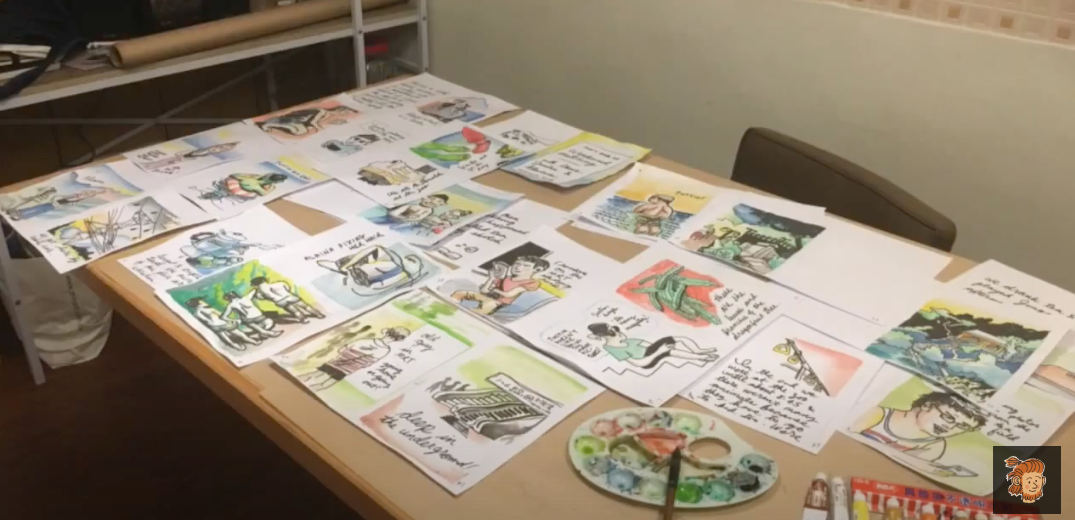
This is a little bit like step one, but more thorough. Now that you’ve figured out how to set aside some time in which you’ll only make art, learn to do that every day. While it may feel like a chore in the beginning, it will slowly become a time you look forward to.
Art time is a safe space in which you can explore ideas and be yourself without living for anybody else’s approval. It’s an excellent habit to cultivate, especially in a busy skill.
If you don’t have a lot of time daily, you can get practice time by doodling in the margins of your notes, or by quickly sketching on a program like Procreate while you ride the train. You don’t have to set aside an hour to paint every day—even sketching for five minutes in between other tasks will pay off in the long run.
6. Study light.
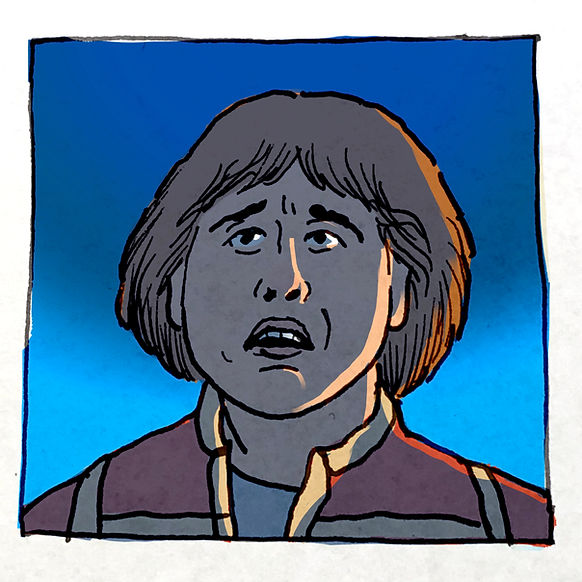
A long time ago I realized that if your shapes are a mess, if your lines are wack, if your colors are wrong, and if your proportions are all wonky—if the light looks right, the picture will look real.
Look at the way light works. Experiment with different colored shadows—I like dark blue—and different colors of light to depict noon or evening.
Using light properly will give your art an incredible amount of depth and structure!
7. Copy!
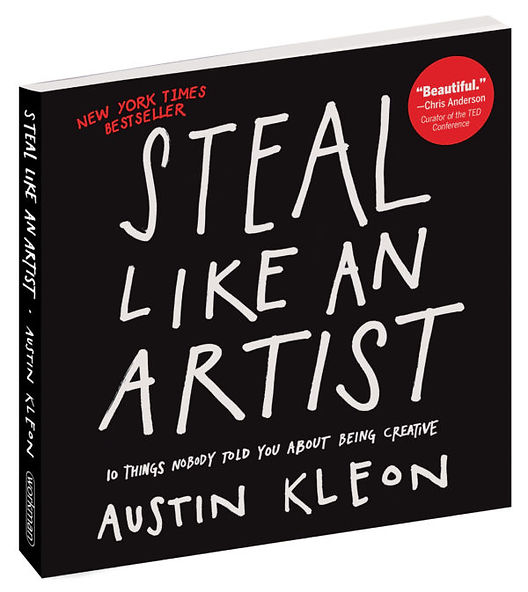
One really great book I read was Austin Kleon’s Steal like an Artist, in which he posited that all artists steal—it’s more about how you do it that will make it ethical or not. Learn how to ethically steal from other artists to create your own style.
Copy famous paintings, famous photographs, and famous drawings. If you follow in your favorite artists’ brushstrokes, you’ll be well on the way to getting as good as them.
Don’t be ashamed to do this for as long as you need to, even if you do nothing but copy famous paintings for six months. By training your hands this way, you’ll be ingraining the skills into your long-term muscle memory. Soon you’ll be able to draw complex shapes and figures from scratch without the need to consult a reference.

8. Engage in craft.
Engaging in craft simply means learn about the physical aspect of art. Learning about ink, paper weight and texture, pen nib size, printer specs, and paintbrush width and cut will give you a sense of professionalism that will boost your confidence and performance.
Art isn’t just about line and shape. It’s also about the three-dimensional skills you employ to create two-dimensional images. Some questions to ask yourself are, what is your favorite size pen? What kind of paper do you like to draw on? What’s your favorite medium, and what company produces it?
Get to know yourself as an artist.

9. Share!
Sharing is my favorite part of art. Because I’m able to share what I make online, hundreds of people have watched my four-year journey from hobby artist to professional artist. If I had been too shy to share my work, or timid to show my face, I would not have the relationship with my community that I do now, and getting through the pandemic would have been a lot lonelier.
There are many platforms to share on. My favorite is, of course, Instagram, but there’s also DeviantArt, Tumblr, Behance, and Facebook, to name a few. Find a platform that you feel comfortable with!
Of course you don’t have to be as public with your art as I am, but I think going public boosts confidence, engages you in an artist community, and gives you purpose in pursuing your art goals. Be brave and give it a shot! (I’ll follow you!)
10. Tell yourself who you are.
It can be hard to get over imposter syndrome, but I’m here at the bottom of the page to tell you that you are an artist. Embrace the identity and be proud of what you are! Say, “I’m an artist” a few times out loud to get used to the sound of it. You can even add it to your self-introductions, once you feel confident enough.
If you make art, you’re an artist. Claim your title!
Tell me your personal pieces of advice for being an artist below!
Be sure to watch the video this blog post is based on!


 zudlow
Leave a comment